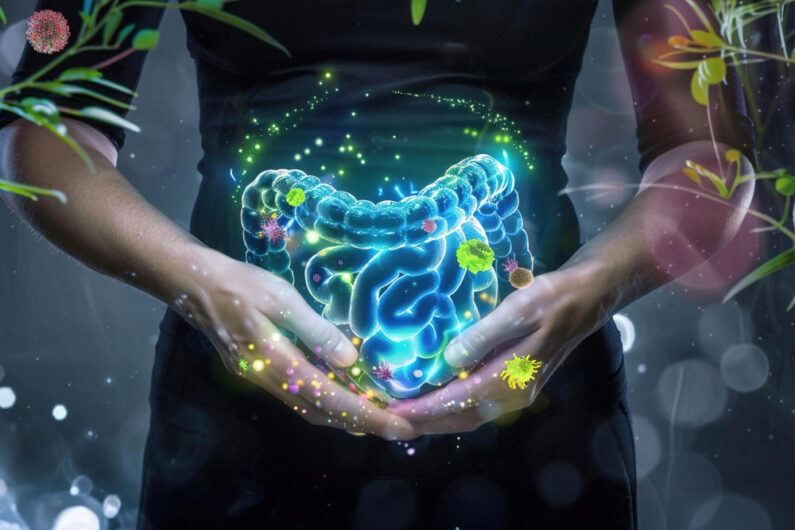
Constipation is a common digestive complaint that affects people of all ages. It can cause discomfort, bloating, and frustration, especially when it becomes chronic. While lifestyle factors like diet, hydration, and physical activity play major roles, probiotics have gained attention as a natural way to support gut health and ease constipation. Understanding how they work—and how to combine them with healthy habits—can help you move from discomfort to relief.
How Probiotics Support Digestion
Probiotics are live beneficial bacteria that help maintain a healthy balance in the gut. When the digestive system is imbalanced, bowel movements may become irregular. Certain probiotic strains, such as Bifidobacterium lactis and Lactobacillus casei, have been shown to increase stool frequency and improve consistency by enhancing gut motility and restoring bacterial diversity.
Prebiotics: Feeding the Good Bacteria
For probiotics to work effectively, they need fuel. This is where prebiotics—non-digestible fibers found in foods like garlic, onions, bananas, and oats—come in. Prebiotics encourage the growth of healthy bacteria, making probiotic supplements and foods more effective in easing constipation.
The Role of Diet in Relieving Constipation
Beyond probiotics, diet remains one of the strongest factors in digestive health. Increasing fiber intake through fruits, vegetables, legumes, and whole grains adds bulk to stool, making it easier to pass. Staying hydrated ensures the fiber works properly, preventing stools from becoming too hard.
Lifestyle Habits That Encourage Regularity
Movement and routine also matter. Daily exercise helps stimulate intestinal activity, while setting aside time each day for bathroom use can train your body into a healthy rhythm. Ignoring the urge to go often worsens constipation, so listening to your body is key.
When to Seek Medical Advice
Occasional constipation is normal, but long-term or severe cases may indicate underlying conditions that require professional care. If constipation is accompanied by pain, blood in stools, or significant changes in weight or appetite, it’s important to consult a doctor for further evaluation.
Conclusion
Probiotics can play a valuable role in moving from constipation to comfort by restoring balance in the gut, especially when combined with prebiotics, fiber-rich foods, hydration, and healthy lifestyle habits. While they are not a cure-all, they are a safe and natural option for many people seeking relief. With the right approach, it’s possible to enjoy better digestion, improved comfort, and a healthier relationship with your gut.